
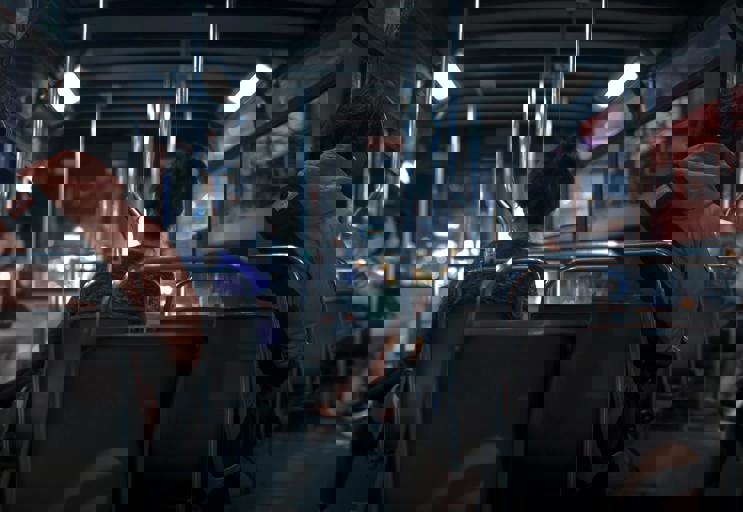
Late-night city workers can anticipate significant changes as transport authorities implement an overhaul of the night bus service. This robust initiative arises from growing concerns over the safety of employees who travel after dark, particularly in sectors that operate late hours such as hospitality, healthcare, and cleaning. Addressing both worker and public feedback, authorities have opted for a strategy that combines extensive route redesigns with modern safety enhancements and better driver support.
The redesigned bus routes have been mapped to extend coverage into more residential and employment-heavy areas, reducing the distance travelers must walk alone at night. The changes follow a six-month review period involving consultations with a broad cross-section of nighttime economy employees. Data from the review revealed that up to 40% of surveyed night workers felt unsafe commuting home, encouraging officials to place greater focus on these high-need zones.
Safety measures are at the forefront of the overhaul. Newly installed CCTV cameras and improved onboard lighting represent a major upgrade to passenger security, while authorities have doubled the number of transit police officers patrolling both the buses and key stops. Transport committee chair Maeve Gallagher commented, "We want to ensure everyone feels safe traveling home, no matter what hour their shift ends." She added that extra staff presence should significantly deter antisocial behaviour.
In addition to physical upgrades, there is an emphasis on technological solutions to boost confidence among riders. A dedicated mobile app will provide real-time bus tracking, estimated arrival times, and a direct emergency contact button for users experiencing trouble. The app also allows users to anonymously report any incidents or suspicious activity directly to authorities, ensuring quick response. This digital toolkit is expected to be a game-changer in creating a responsive, secure transport environment.
Driver welfare forms another major element of the programme, recognizing that drivers are often on the frontlines during late hours. Managers have pledged to increase training for handling difficult situations, including dealing with intoxicated passengers and de-escalating verbal altercations. Additionally, all drivers will be offered access to counselling services and direct lines to transit police, contributing to a safer and more supportive work environment.
Feedback from unions and advocacy groups has generally been positive, although some remain cautiously optimistic. Samir Patel from the City Night Workers Union stated, "This is a big step forward. Our members have long asked for more security and smarter route planning. We're encouraged but will monitor the effectiveness, especially around high-risk stops and transfer points." Authorities plan to invite further community input after the first three months of operation.
Authorities have allocated a substantial budget to both immediate safety upgrades and longer-term monitoring of the system. An estimated £8 million has been earmarked for the initial phase, with funds going towards new equipment, additional staff, and enhanced training. Future funding will be contingent upon the programme meeting key performance metrics, such as reductions in reported incidents and increased passenger satisfaction.
Early pilot tests of the overhauled service have shown promising results. Crime reporting rates on night buses dropped by 15% in the trial areas, with passenger confidence scores rising significantly in subsequent surveys. Local businesses have also praised the move, saying better late-night transit improves their ability to recruit and retain staff. As nightlife remains a vital part of the city’s economy, these investments are seen as crucial steps towards sustained growth.
Looking ahead, transport authorities plan to continue refining the night bus system based on ongoing feedback and data analysis. Regular town hall meetings and digital forums will invite suggestions and stories from users, ensuring that policies adapt to emerging needs. Authorities maintain that making night journeys safer is not a one-off project, but a long-term commitment to the wellbeing of all residents who depend on after-dark services to work and live in the city.